After the regional workshop in Cabo Verde in March 2026, a new round of national workshops is now shaping the Centres of Excellence in Marine Sciences and Biodiversity for the Portuguese-speaking Small Island Developing States (SIDS). Promoted by UNESCO in partnership with national and international institutions, the initiative aims to strengthen national scientific and institutional capacity, foster international cooperation and support the sustainable management of marine ecosystems in Cabo Verde, São Tomé and Príncipe, Guinea-Bissau and Timor-Leste.
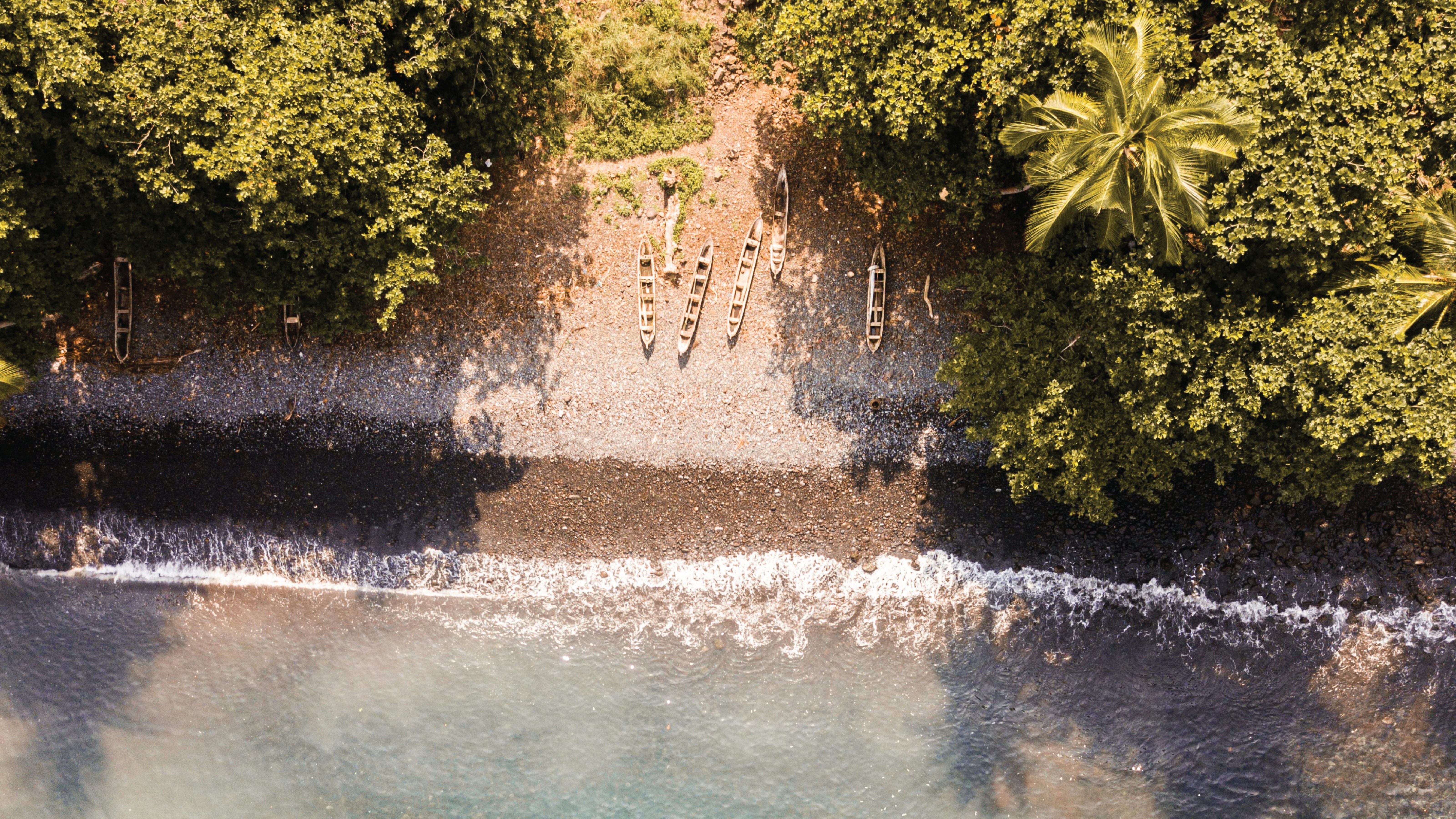
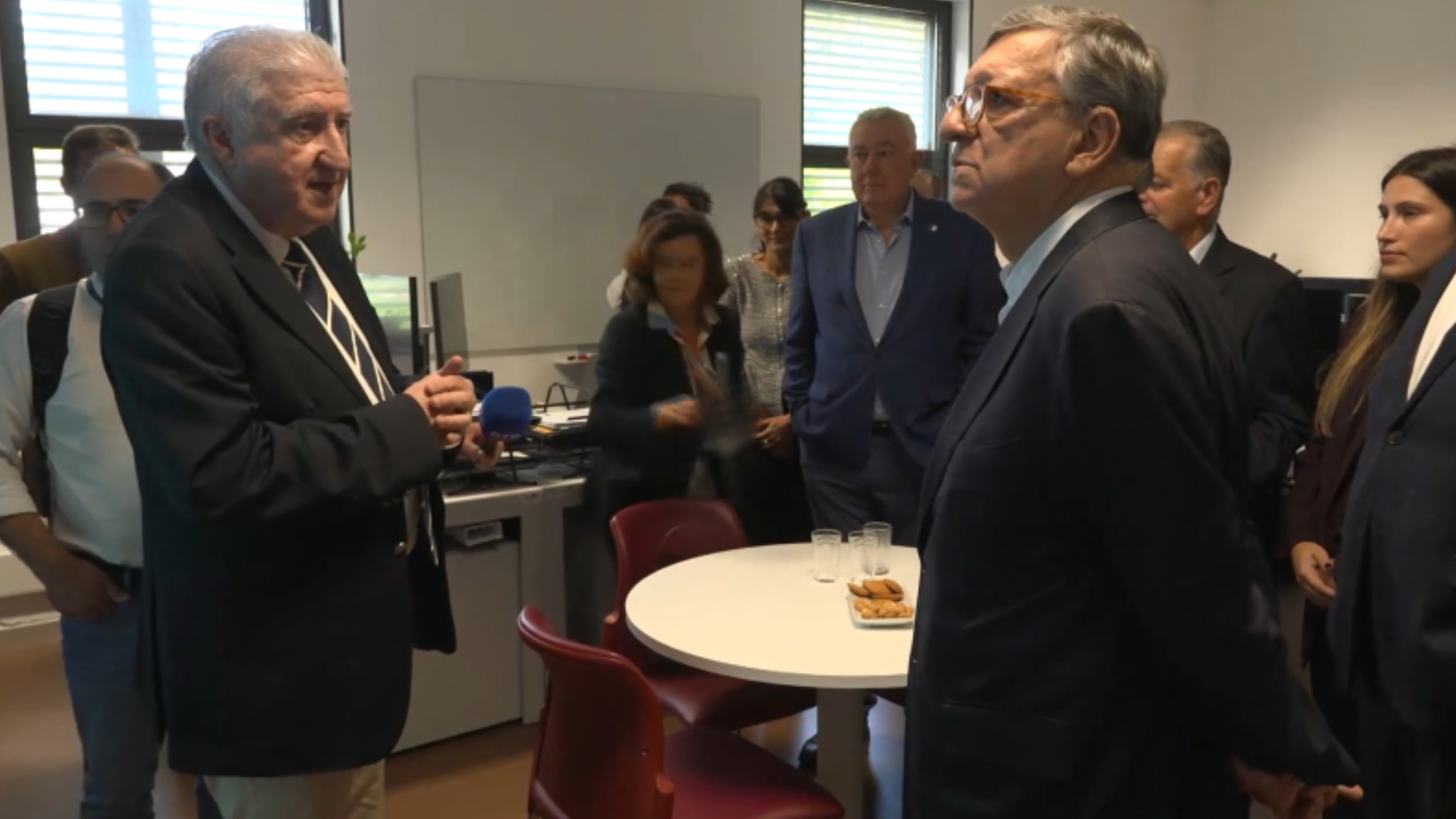
São Tomé and Príncipe opened this new phase on 3–5 November 2026, bringing national and international partners together to define the foundations, priorities and direction of its future Centre.
The country starts from solid ground: it is recognised in its entirety as a UNESCO Biosphere Reserve and established a network of eight Marine Protected Areas in 2026. Participants agreed on three priorities:
strengthening scientific knowledge of marine and coastal ecosystems;
connecting existing research and monitoring initiatives;
turning evidence into practical action for conservation and sustainable management.
Local communities were at the heart of the discussions. Valuing traditional knowledge, investing in environmental education, involving communities in conservation and creating local jobs and income are key to making sure that protecting biodiversity and developing the country go hand in hand.
By linking research, conservation, education, tourism and local development, the Centre can help build a more inclusive Blue Economy - creating opportunities while safeguarding São Tomé and Príncipe's natural and cultural heritage.
The AIR Centre, represented by Yara Rodrigues, contributed on scientific cooperation, knowledge sharing and the role of digital tools in strengthening national capacities and supporting evidence-based decisions.
The workshop was an important step towards a nationally owned vision for the Centre: one that builds on existing capacities, strengthens partnerships and turns scientific knowledge into tangible benefits for people and nature.
[YR, 13 November 2026]

 Collaboration