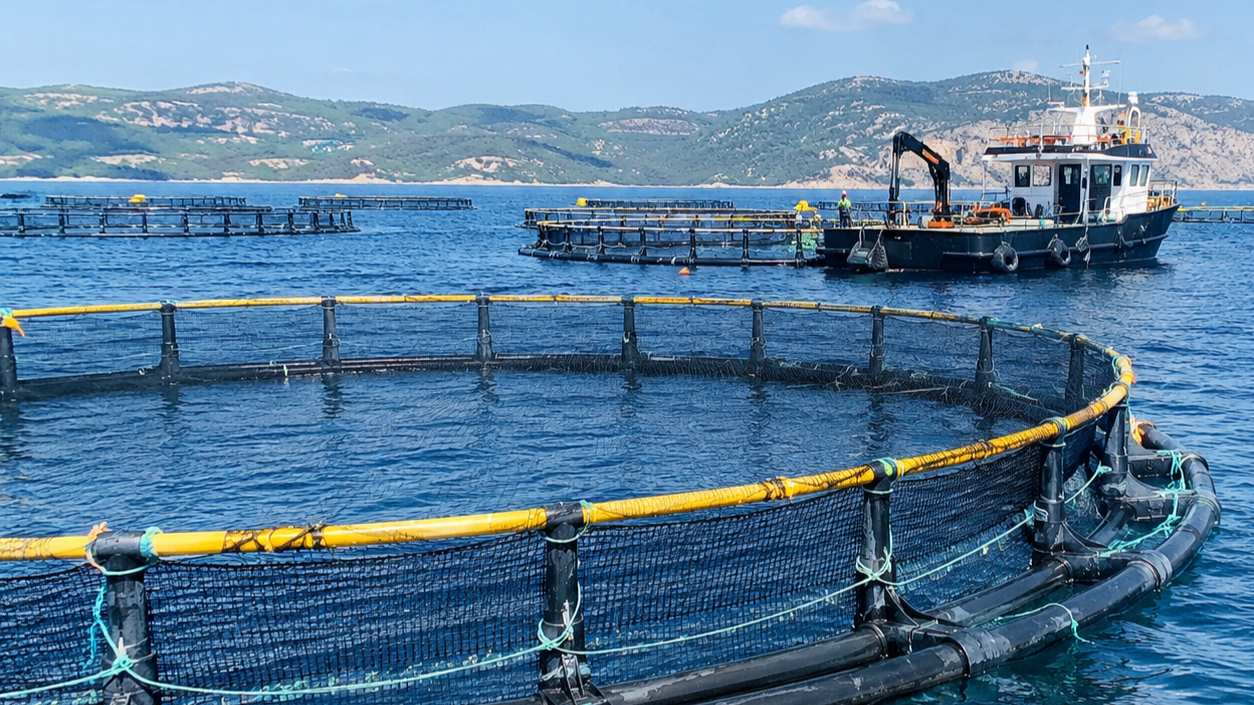
The AIR Centre has released a new white paper examining a question that is becoming increasingly strategic for Atlantic aquaculture: whether producers should continue relying on established species or invest in developing new ones. The publication, Fostering Aquaculture: New Species vs. Established Species, available at SSRN of Elsevier, draws on discussions held during the Atlantic Aquaculture Forum (AAF25) in Terceira, Azores, in November 2025.
Its central argument is that species choice is no longer a purely technical matter. With aquaculture now producing more aquatic species than capture fisheries, the species a region decides to farm plays a direct role in shaping food security. The paper presents the decision as a trade-off between two contrasting pathways.
Established species such as salmon, tilapia, carp and shrimp benefit from decades of accumulated knowledge. Hatchery protocols are well understood, feed requirements are defined and markets are already in place. Production risk is comparatively low, and so is the price per kilo.
New species sit at the opposite end of the spectrum. The paper notes that a candidate species can require 15 to 20 years of research before commercial production becomes viable. That process typically involves closing the life cycle in captivity, defining nutrition and system design, and eventually developing selective breeding programmes.
The white paper reviews three Atlantic regions – the Azores, Cape Verde and Senegal – which are at different stages of aquaculture development but face similar constraints. Funding cycles are often too short to support the long-term research required. Permits tend to be issued for limited periods, even though the infrastructure involved is built to last decades. Technicians trained in the early life stages of new species remain scarce. Processing and export capacity frequently lags behind production.
The paper avoids backing a single path and instead argues that everything hinges on whether a region has the necessary technical foundations in place. Where breeding and hatchery systems are still emerging, producers tend to work with species that are already familiar and reliable. Once those systems run smoothly, however, adding new species becomes a realistic way to broaden production and reach markets that established species do not cover.
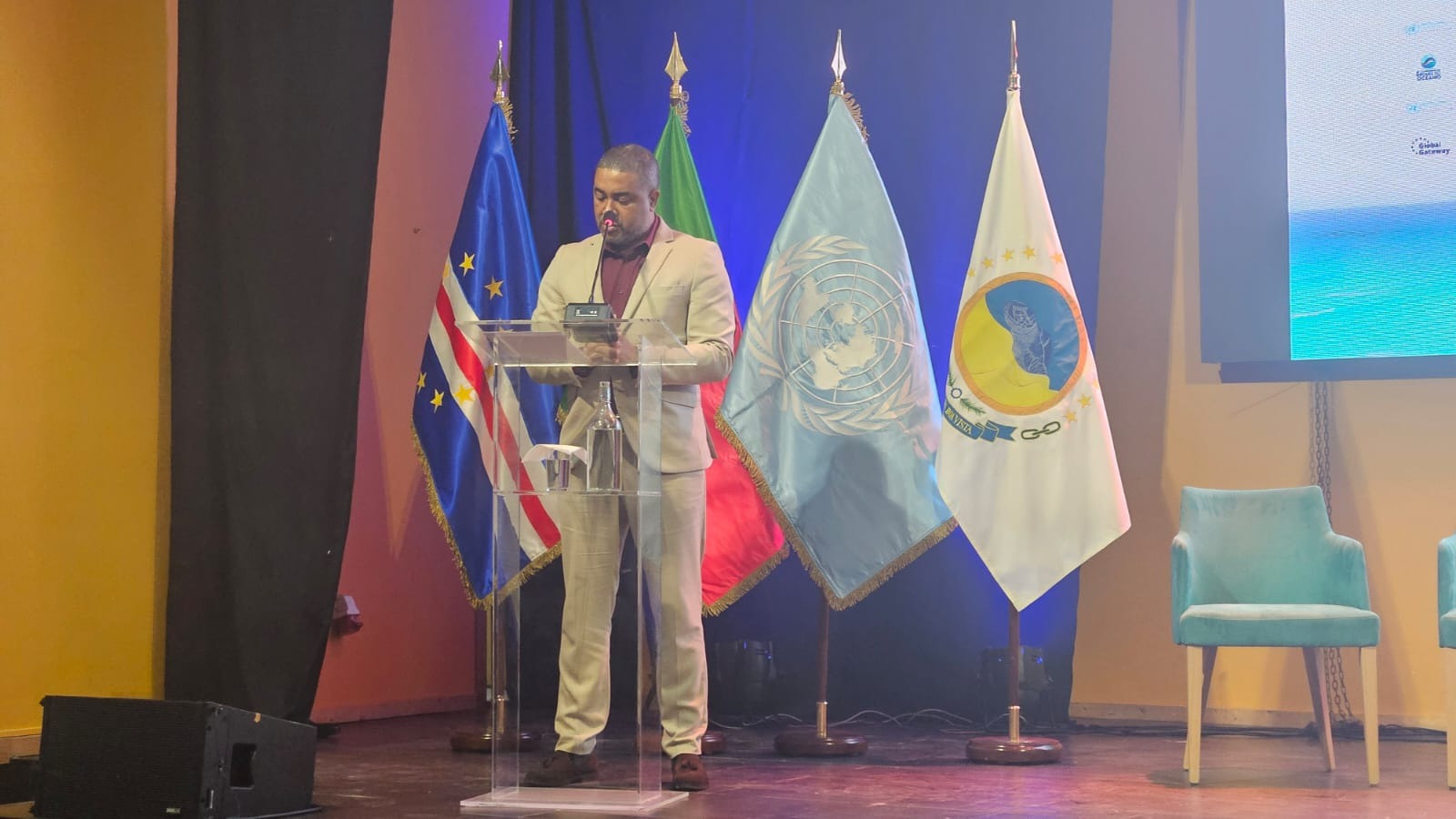
The authors emphasise that no region can advance this agenda alone. As the paper states, no single territory holds the funding, technical expertise and market reach required to develop new species independently, making cross‑Atlantic collaboration essential rather than optional.
The discussions will continue with the holding of the third edition of the Atlantic Aquaculture Forum (AAF26), scheduled for 8 and 9 October 2026 in Dakar, Senegal. The event will take place in one of the regions examined in the new publication, reinforcing the link between scientific analysis and the local dynamics shaping aquaculture development.

 Collaboration