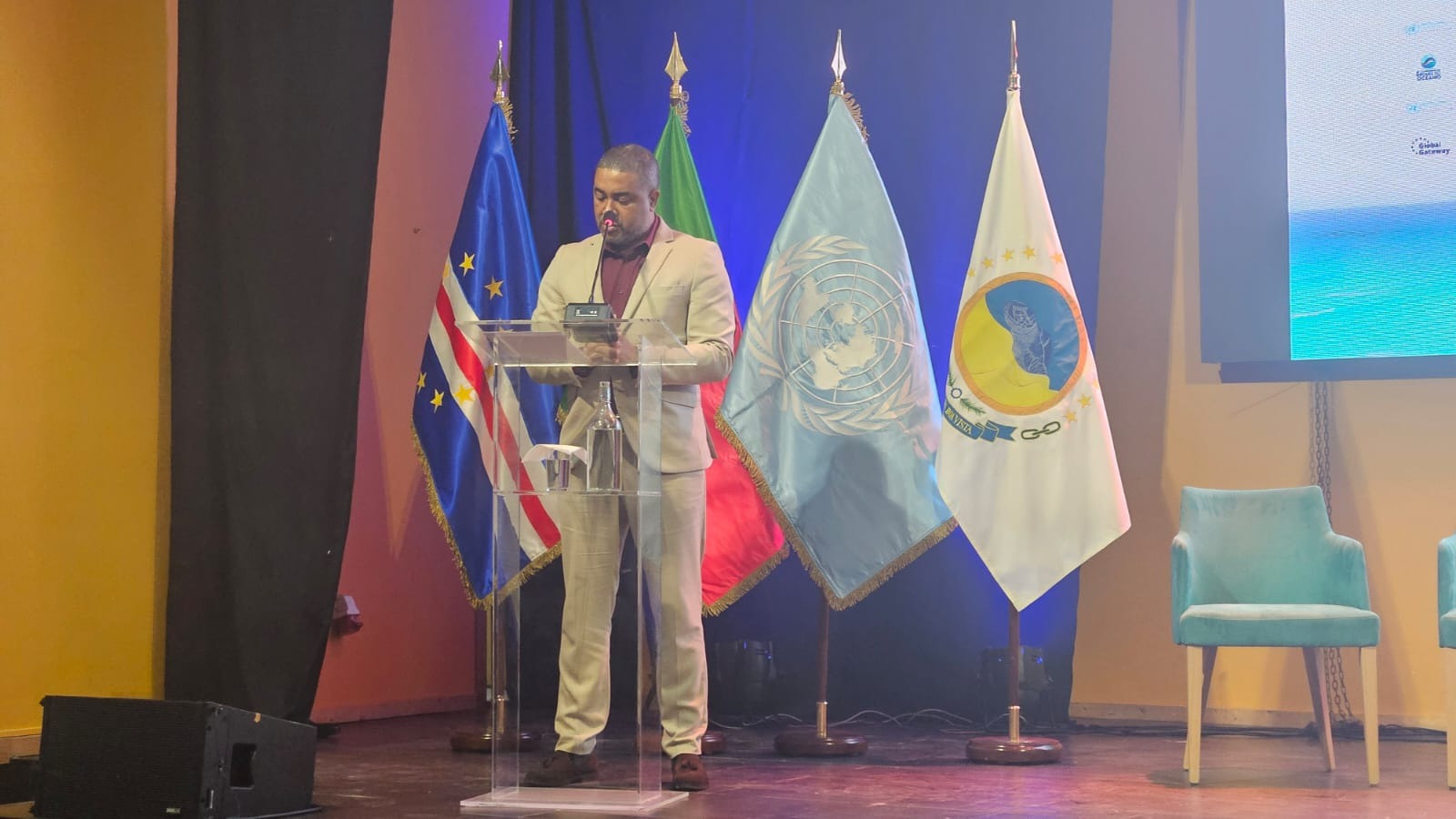
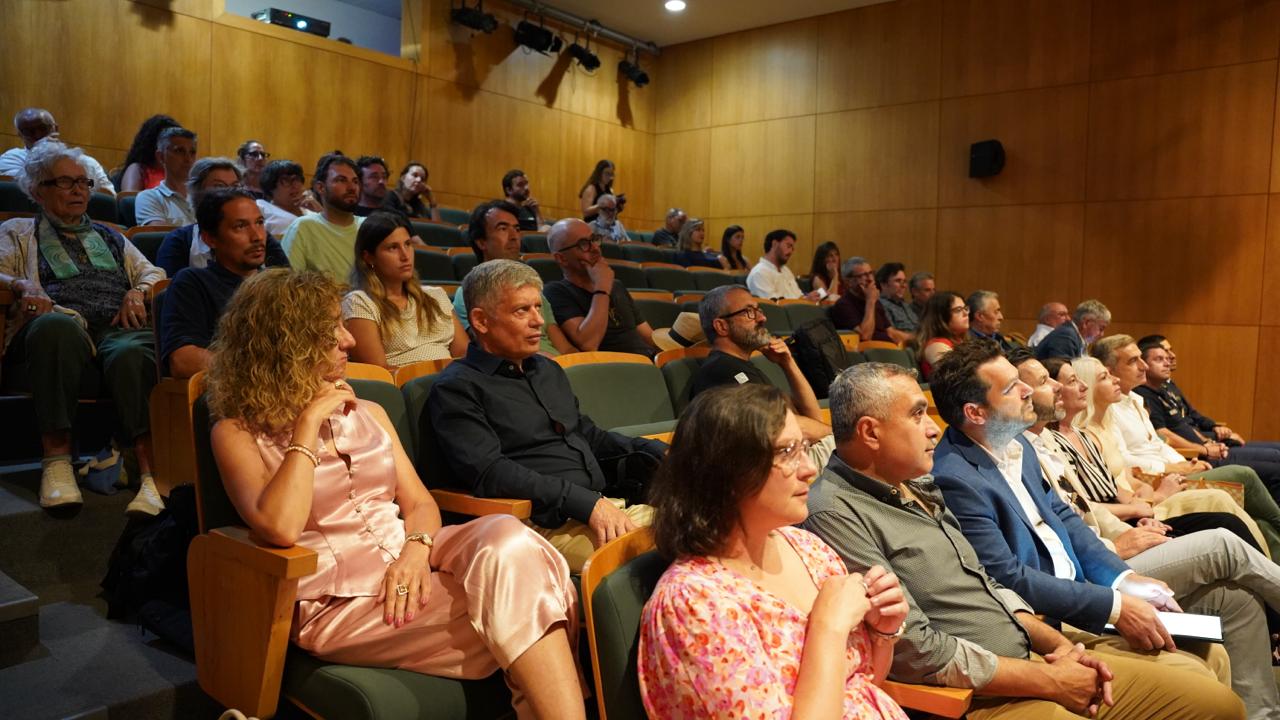
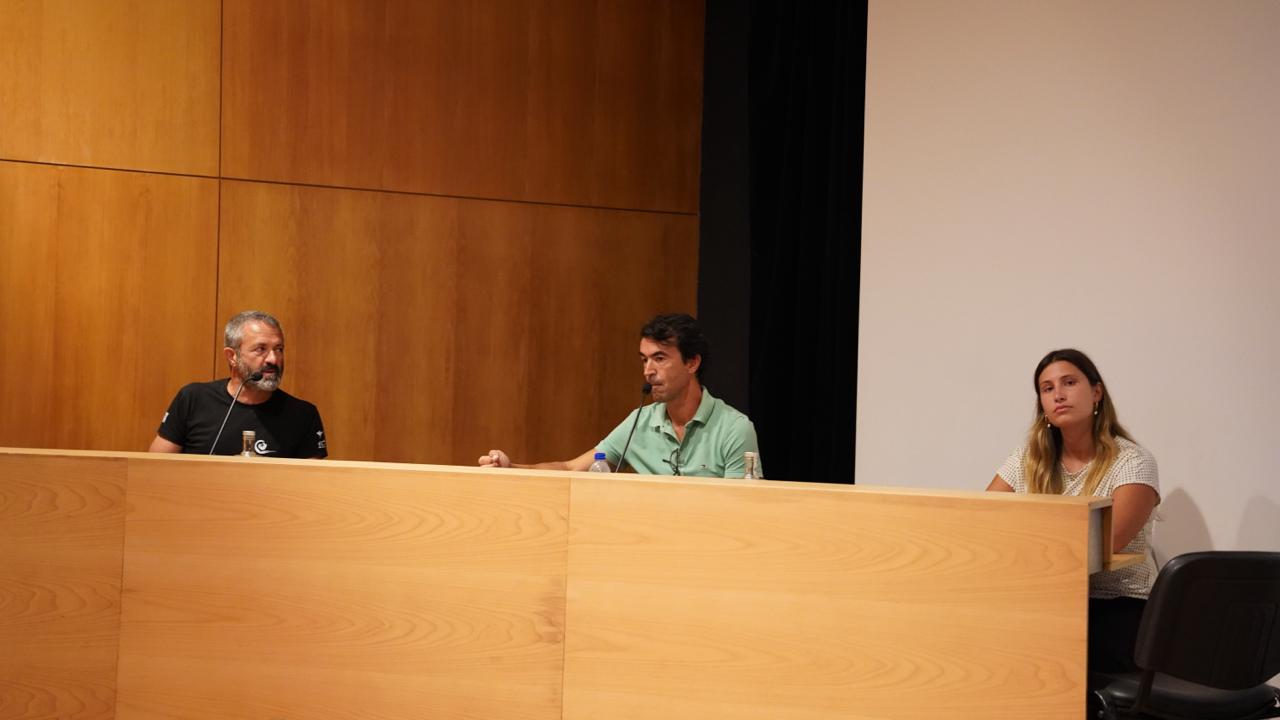
The final public event of the ROKAMURAE‑AZ project took place on 23 July at the Biblioteca Pública e Arquivo Regional João José da Graça, in Horta, Faial, where researchers and regional authorities presented the latest scientific evidence on the rapid spread of the invasive macroalga Rugulopteryx okamurae in the Azores.
The session opened with the Regional Secretary for the Sea and Fisheries and the Regional Secretary for Environment and Climate Action, who highlighted the ecological and socio‑economic impacts of the invasion. Rui Martins, Regional Director for Maritime Policies, introduced the event and later closed the session.
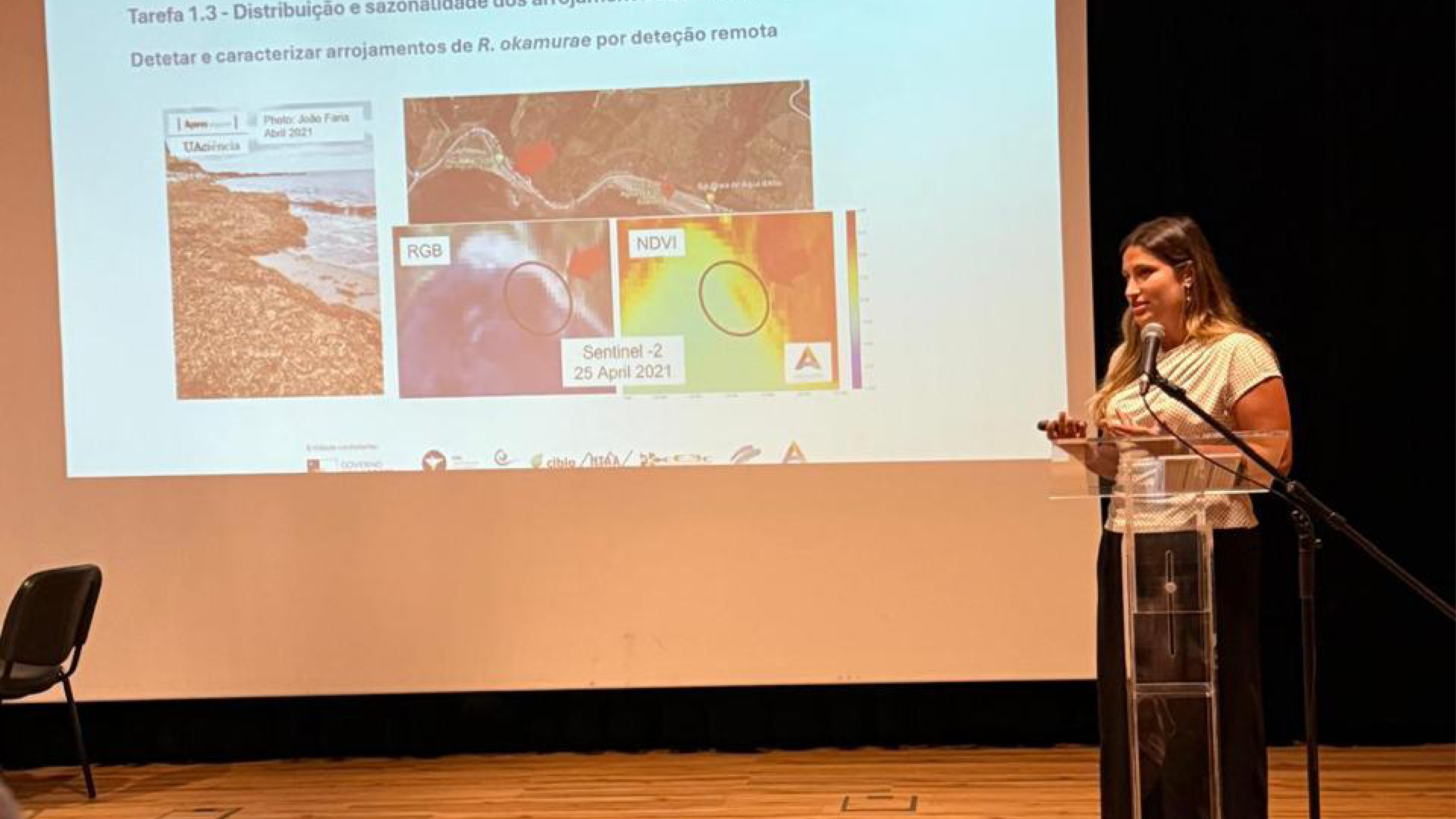
As part of WP1 – Knowledge, dispersal and identification of potential expansion zones, Mariana Ávila (AIR Centre) presented, together with João Faria (CIBIO), the analysis of distribution and seasonality of strandings. Their work combined field surveys, satellite imagery and citizen‑science contributions to track when and where large volumes of algal biomass accumulate along Azorean shores.
The results show that R. okamurae produces extensive summer strandings driven by seasonal fragmentation, with clear hotspots emerging across multiple islands. The approach demonstrated strong potential for early‑warning systems, offering authorities a practical tool to anticipate major deposition events.
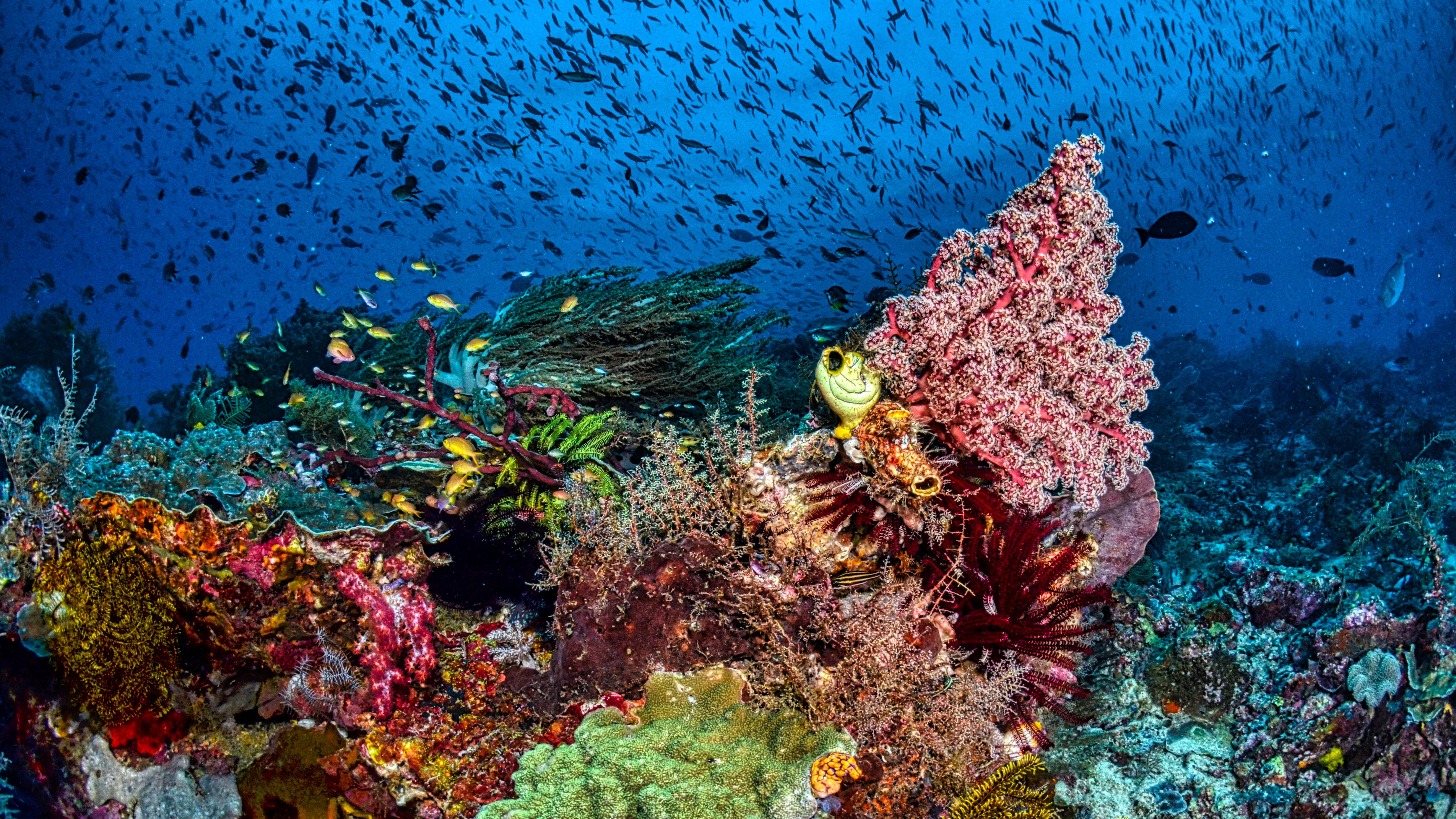
Findings presented throughout the event confirmed that R. okamurae continues to expand rapidly across the archipelago. Since its first detection in São Miguel in 2019, the species has been recorded in nearly all islands of the Eastern and Central Groups, with signs of arrival in the Western Group. In several coastal areas, it forms dense underwater mats down to 40 metres, replacing native macroalgae and reducing benthic biodiversity.
Researchers also reported high adaptability to local environmental conditions, accelerated spring growth, and large summer strandings that affect coastal ecosystems, recreational activities and tourism.
The project identified opportunities to transform the invasive biomass into useful products, including biochar for soil improvement, potential methane‑reduction additives for ruminant feed, and bioactive compounds with antioxidant, antibacterial and anti‑inflammatory properties. However, plastic contamination in some strandings (particularly in Porto Pim and Porto do Alcaide) may limit certain applications.
Under current conditions, researchers concluded that eradication is not feasible, reinforcing the need for continuous monitoring, early detection, impact mitigation and sustainable valorisation strategies. A representative from the Portuguese Environment Agency also presented the National Strategy for the Management of Rugulopteryx okamurae, aligning project results with national policy.
The ROKAMURAE‑AZ project was commissioned by the Regional Government of the Azores, through the Regional Secretariat for the Environment and Climate Action and managed by the Regional Directorate of Maritime Policies, and developed by teams from the University of the Azores (OKEANOS – Institute of Marine Sciences Research, CIBIO-Açores – Research Centre in Biodiversity and Genetic Resources, IITAA – Institute of Research in Agrarian Technologies and Environment, and cE3c – Centre for Ecology, Evolution and Environmental Changes), with collaboration from IMAR - Institute of the Sea and the AIR Centre.
More information is available here.
[PC, 24 July 2026]

 Publication